
This Gluten Free Seeded Pumpernickel Bread is a little different than my usual. It has a hard, chewy crust and seeds that are baked right into the dough rather than sprinkled on top. Visual and textural interest aside, it’s delicious!
Rye flour is not gluten free, so as I thought about how to make a gluten free pumpernickel bread, the first consideration was of course, the flour substitution. I used my favorite gluten free flour blend (see below) and added just the tiniest amount of cocoa and molasses to give it that darker shade, reminiscent of whole grain bread.
The verdict – I was hooked after one bite!

About the flour
Where are my Better Batter fans? Have you ever tried mixing their Artisan Flour Blend and their Bread Flour together? I know I’m not the only one who does this. I used a 50/50 combination in this recipe and wow! once you try working with this dough you will see why it’s my favorite.
Remember to use my Promo Code MGFC30 for 30% off at checkout!


This post contains affiliate links.
Ingredients:
- 165 g. Better Batter Artisan Flour Blend
- 165 g. Better Batter Bread Flour
- 8 g. salt
- 2 g. cocoa powder
- 1 g. instant yeast (about 1/8 tsp.) *
- 25 g. pumpkin seeds
- 25 g. sunflower seeds
- 10 g. white sesame seeds
- 10 g. black sesame seeds
- 55 g. sourdough starter
- 280 g. warm water
- 15 g. cider vinegar
- 10 g. molasses
- 15 g. olive oil
Preparation:
You will need a fully active sourdough starter to make this bread. * If your starter is not quite there yet, then it is fine to add a tiny amount (1/8 tsp.) of commercial yeast to the dough to help it along. After experimenting with this recipe multiple times, I can attest that adding that little bit of commercial yeast will give this loaf the best rise and texture.
To make the dough, begin by adding the starter, vinegar, molasses, olive oil and water to the bowl of your stand mixer and whisk to combine. In a separate bowl, whisk together the flours, yeast, salt, cocoa powder and seeds.

You can use different seeds for this bread, for a total weight of 70g. I really like the way the black sesame seed stands out against the crumb.
 With the mixer on low speed, combine the wet and dry ingredients with the paddle attachment. Increase speed and beat for 3 more minutes to form a smooth dough.
 Use a spatula to scrape down the bowl. It will be stiff. Cover and let it rest at room temperature for 30 minutes.
 After 30 minutes, lightly flour a cutting board or countertop and turn the dough out. You will be surprised at how you can actually knead this dough with your hands. Pretty cool for gluten free dough! Turn the dough onto itself several times, rotating with each turn then pull it toward the center to create tension and shape it into a ball.
 Generously flour a 9″ round banneton and place the dough in the center. Cover and let it proof on the counter for 4 hours, then refrigerate overnight.
 In the morning, carefully invert the dough onto a sheet of parchment. Preheat the oven to 450º with a baking stone.
 Carefully brush off the excess flour and score the top of your loaf. I did a box score.
 Place the loaf in a baking dish, sheet pan or directly onto the baking stone. I baked my loaf in a clay baking bowl for the first 25 minutes then moved it directly onto the baking stone for another 40 minutes.
Reduce the heat to 425º, spray the sides of the oven with water and throw a few ice cubes onto the bottom tray. The steam will help with the rise and give your loaf and a nice crispy crust.
 The bread needs to reach an internal temperature of 210º, don’t guess- use a thermometer.
Allow the bread to cool fully on a rack, then store in a plastic bag at room temperature. While it cools, you can rotate the loaf every couple of hours, so that the moisture evaporates evenly (no gummy bottom!).
 I recommend waiting 24 hours before slicing, to be sure the crumb has set.
 This bread toasts up like a dream. The texture of the seeds and the crispy crust were outstanding. I wish you could hear the crunch! I have not had real pumpernickel bread since before my Celiac diagnosis, almost 9 years ago so this was a treat!
 If you don’t finish the loaf in a day or two, you’ll want to freeze it. I wrap the individual slices in plastic wrap and place them in a freezer bag.
 Notes ♪ This is a small loaf, perfect for a one or two-person household. It is as beautiful to look at as it is to eat! Toast it up for breakfast or use it for sandwiches, croutons or stuffing cubes.
Notes ♫ You can also bake this loaf in a Dutch oven. Bake covered for the first 40 minutes then remove the cover for 25 minutes longer.
Gluten Free Seeded Pumpernickel Bread
Description
This Gluten Free Seeded Pumpernickel Bread has a hard, chewy crust and seeds that are baked right into the dough rather than sprinkled on top.
Ingredients
- 165 g. Better Batter Artisan Flour Blend
- 165 g. Better Batter Bread Flour
- 8 g. salt
- 2 g. cocoa powder
- 1 g. instant yeast (about 1/8 tsp.) *
- 25 g. pumpkin seeds
- 25 g. sunflower seeds
- 10 g. white sesame seeds
- 10 g. black sesame seeds
- 55 g. sourdough starter
- 280 g. warm water
- 15 g. cider vinegar
- 10 g. molasses
- 15 g. olive oil
Instructions
You will need a fully active sourdough starter to make this bread. * If your starter is not quite there yet, then it is fine to add a tiny amount (1/8 tsp.) of commercial yeast to the dough to help it along. After experimenting with this recipe multiple times, I can attest that adding that little bit of commercial yeast will give this loaf the best rise and texture.
To make the dough, begin by adding the starter, vinegar, molasses, olive oil and water to the bowl of your stand mixer and whisk to combine. In a separate bowl, whisk together the flours, yeast, salt, cocoa powder and seeds.
You can use different seeds for this bread, for a total weight of 70g. I really like the way the black sesame seed stands out against the crumb.
With the mixer on low speed, combine the wet and dry ingredients with the paddle attachment. Increase speed and beat for 3 more minutes to form a smooth dough. Use a spatula to scrape down the bowl. It will be stiff. Cover and let it rest at room temperature for 30 minutes.
After 30 minutes, lightly flour a cutting board or countertop and turn the dough out. Turn the dough onto itself several times, rotating with each turn then pull it toward the center to create tension and shape it into a ball.
Generously flour a 9″ round banneton and place the dough in the center. Cover and let it proof on the counter for 4 hours, then refrigerate overnight.
In the morning, carefully invert the dough onto a sheet of parchment. Preheat the oven to 450º with a baking stone.
Carefully brush off the excess flour and score the top of your loaf. I did a box score.
Place the loaf in a baking dish, sheet pan or directly onto the baking stone. I baked my loaf in a clay baking bowl for the first 25 minutes then moved it directly onto the baking stone for another 40 minutes.
Reduce the heat to 425º, spray the sides of the oven with water and throw a few ice cubes onto the bottom tray. The steam will help with the rise and give your loaf and a nice crispy crust.
The bread needs to reach an internal temperature of 210º, don’t guess- use a thermometer.
Allow the bread to cool fully on a rack, then store in a plastic bag at room temperature. While it cools, you can rotate the loaf every couple of hours, so that the moisture evaporates evenly (no gummy bottom!).
I recommend waiting 24 hours before slicing, to be sure the crumb has set.
If you don’t finish the loaf in a day or two, you’ll want to freeze it. I wrap the individual slices in plastic wrap and place them in a freezer bag.
Notes
Notes ♪ This is a small loaf, perfect for a one or two-person household. It is as beautiful to look at as it is to eat! Toast it up for breakfast or use it for sandwiches, croutons or stuffing cubes.
Notes ♫ You can also bake this loaf in a Dutch oven. Bake covered for the first 40 minutes then remove the cover for 25 minutes longer.


 Mist a
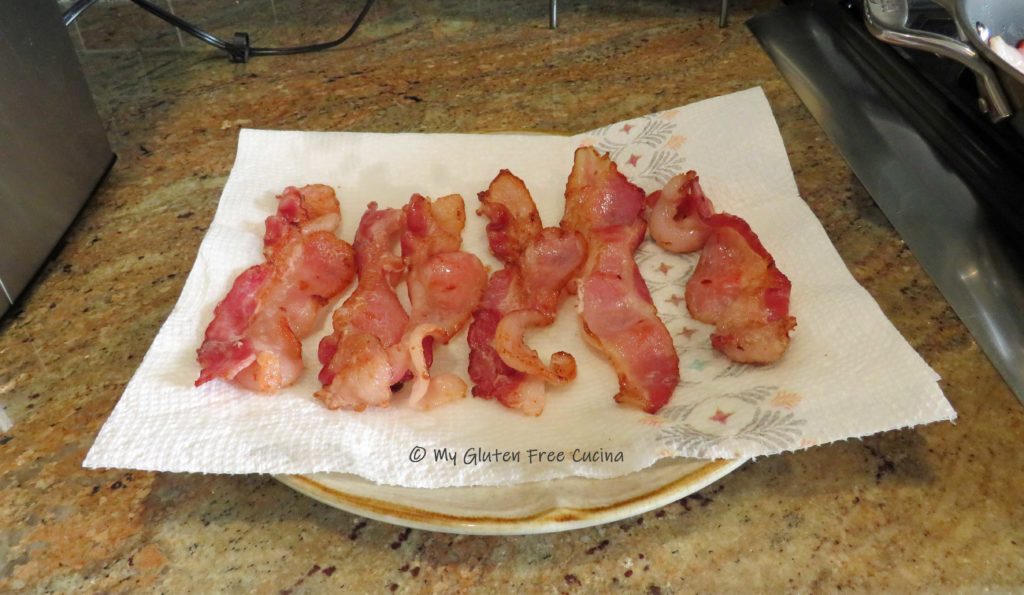
 Cook the bacon, drain on paper towels and cut into small dice. Cover and set aside.



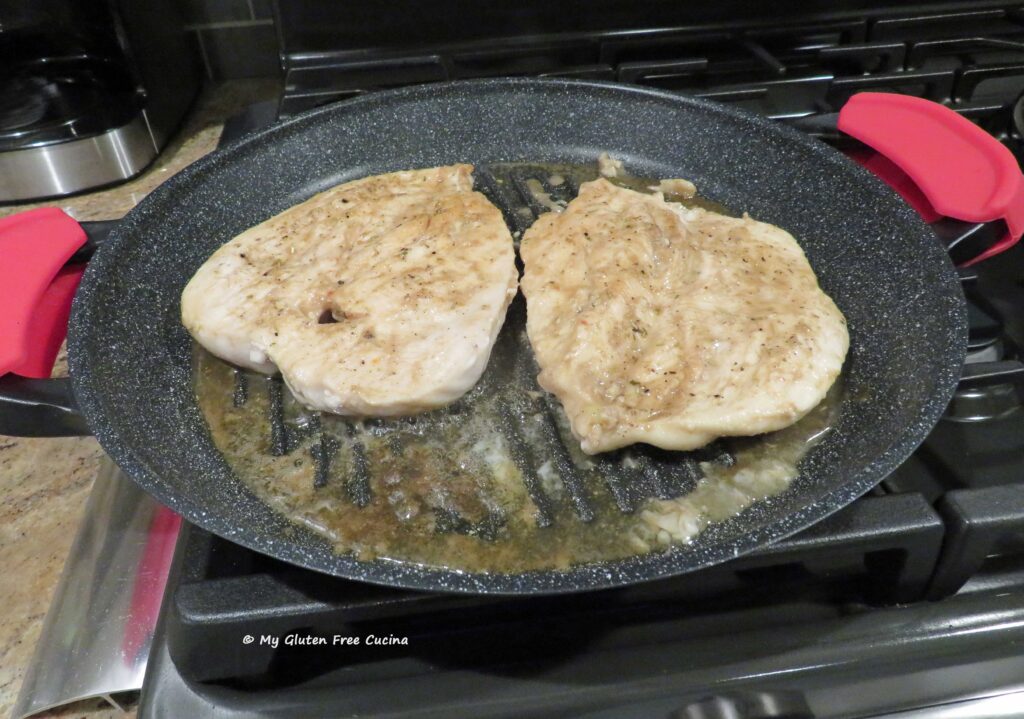
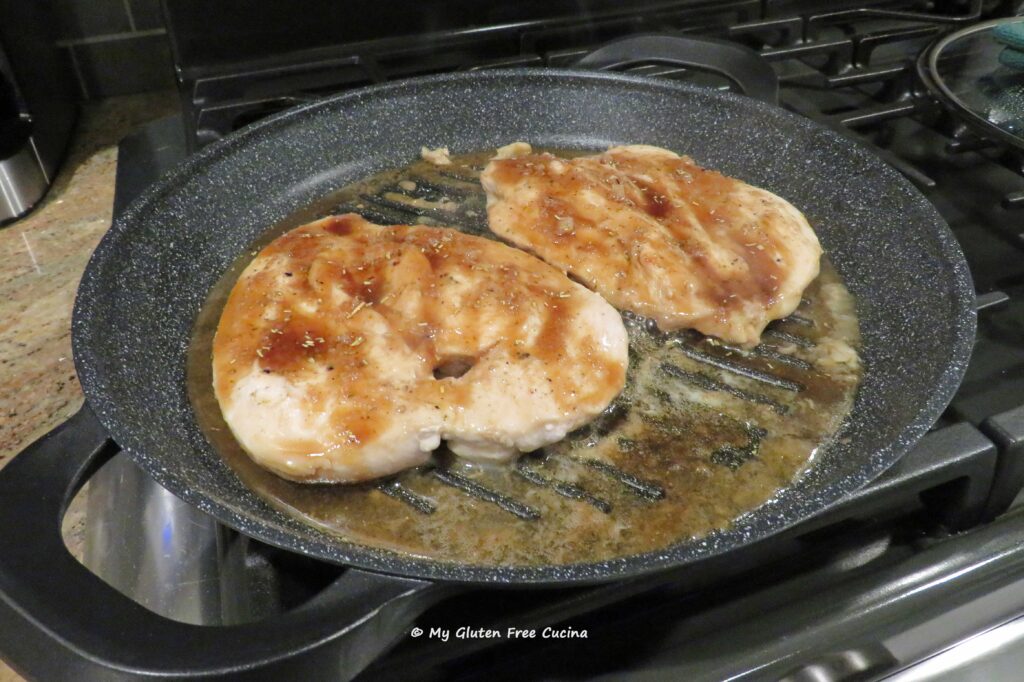 Continue cooking with the cover off, allowing the liquid to bubble up and thicken.
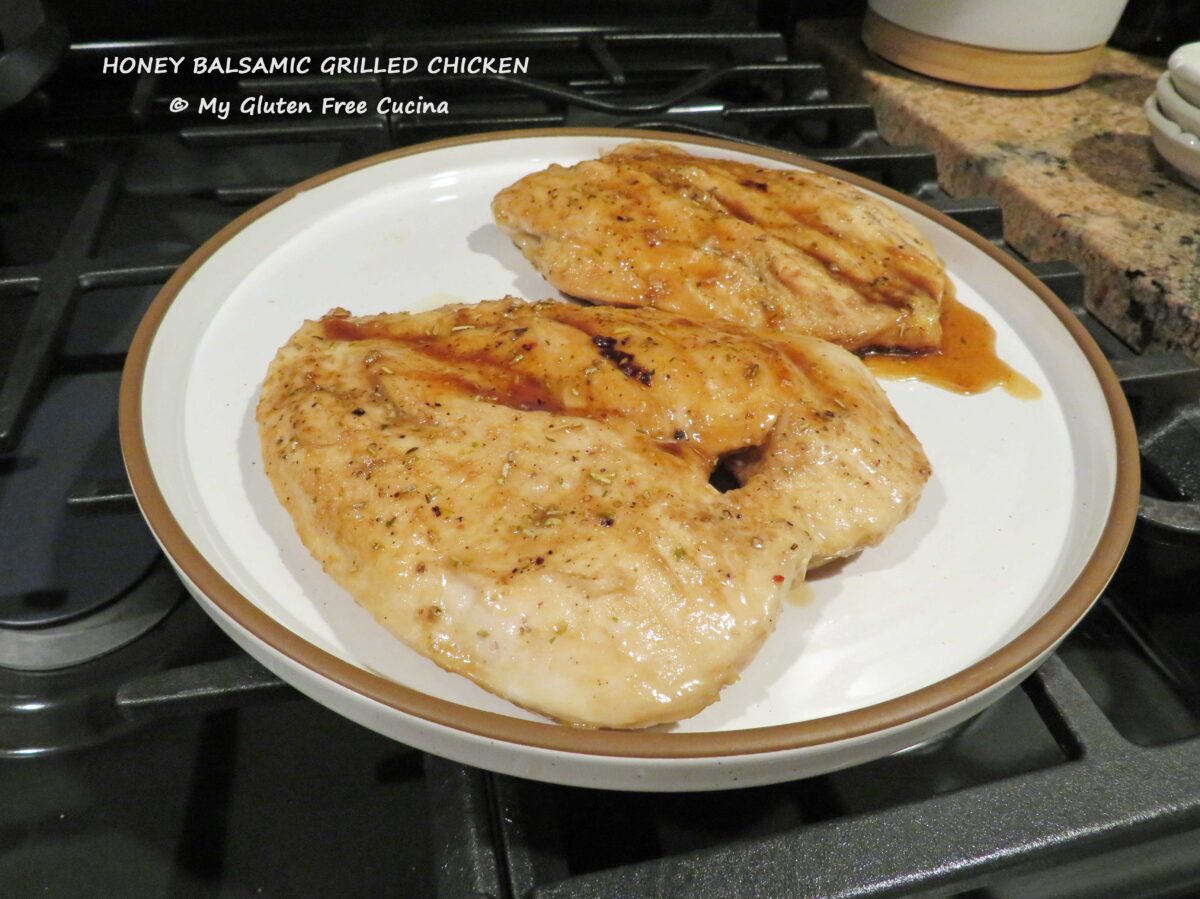
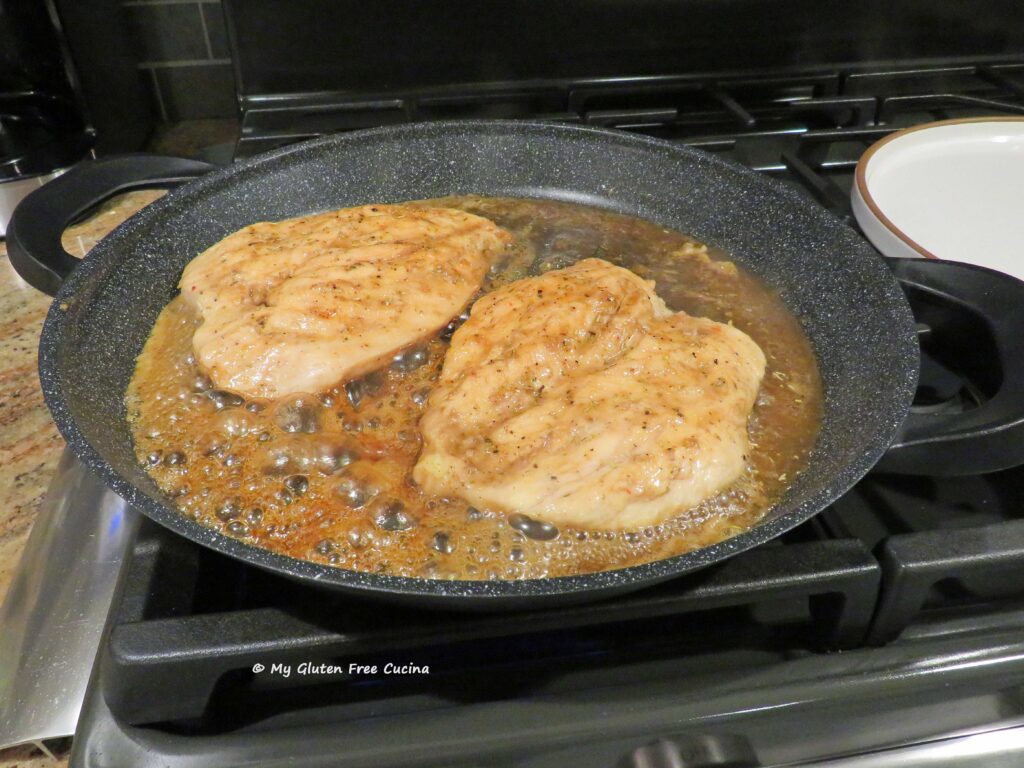 Chicken is finished when it reaches an internal temperature of 165º. Transfer to a serving dish and drizzle some of the pan juices over the top.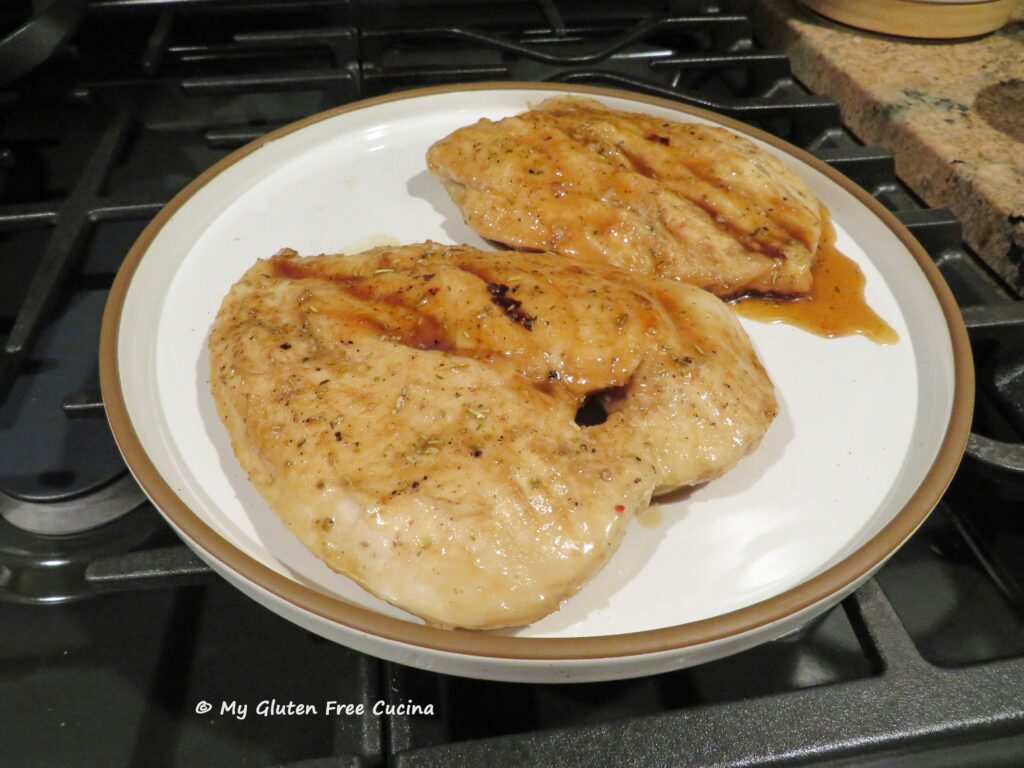
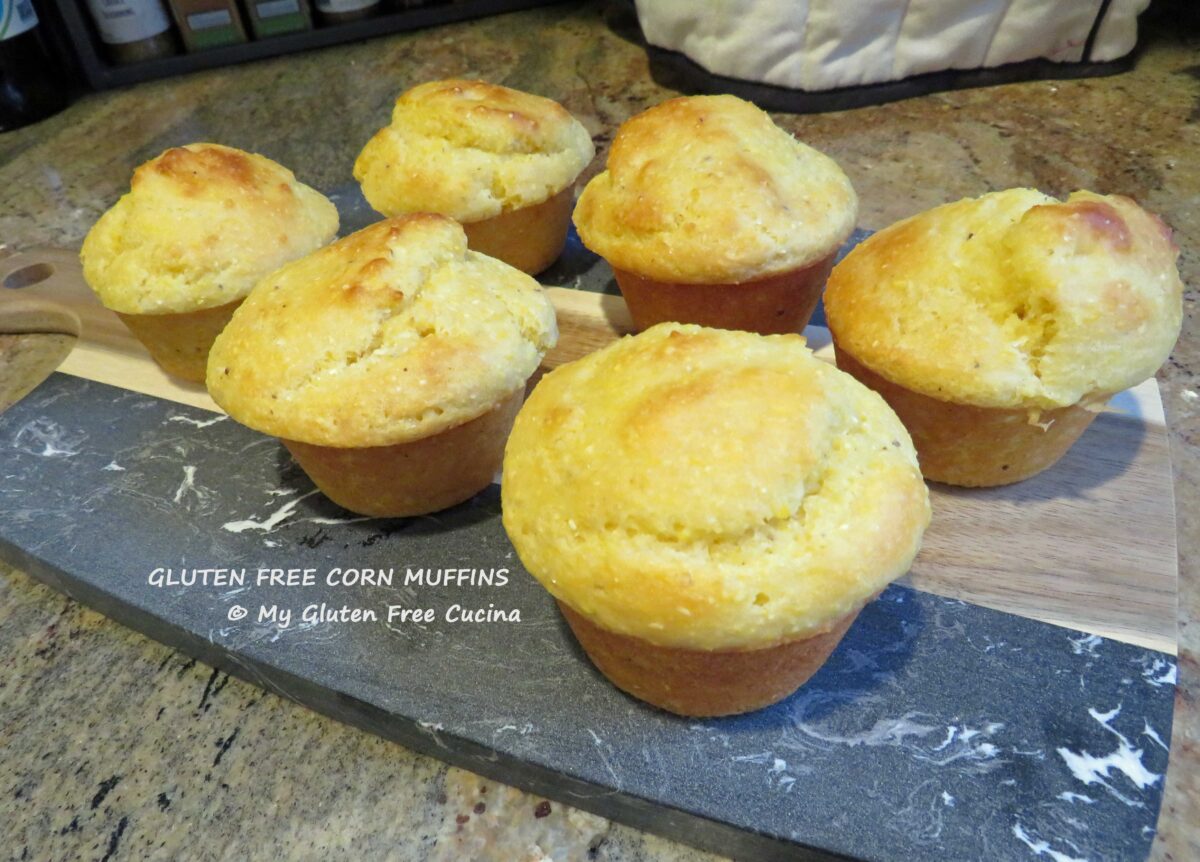
 Ingredients:
 Mist a
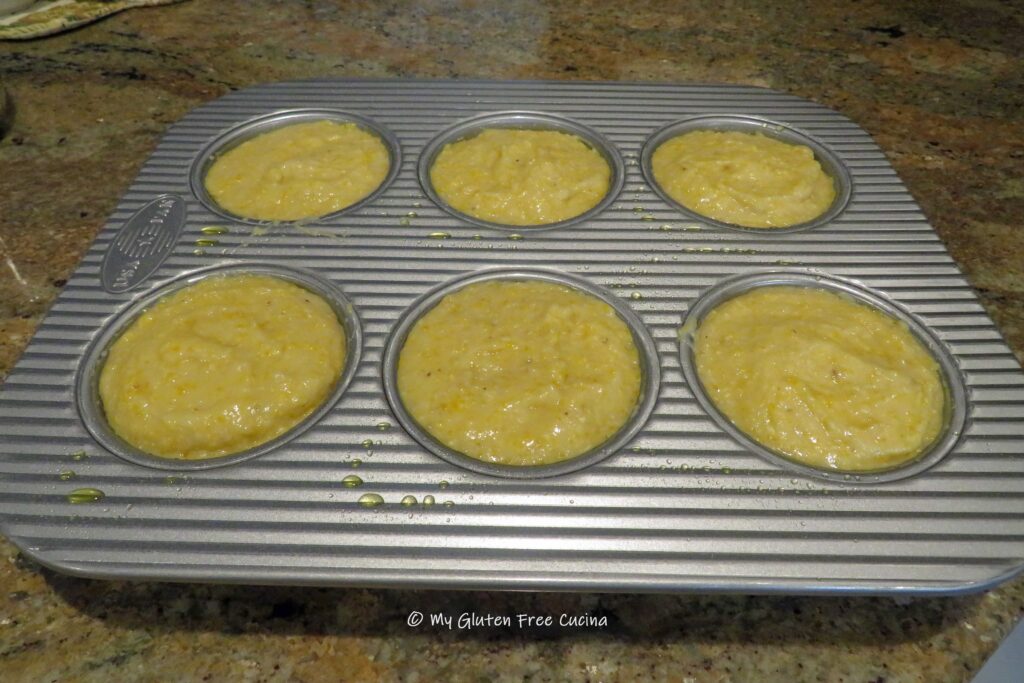 Check the center with a toothpick, and if it comes out dry, they are done. Brush the tops with melted butter, then transfer to a rack to cool.
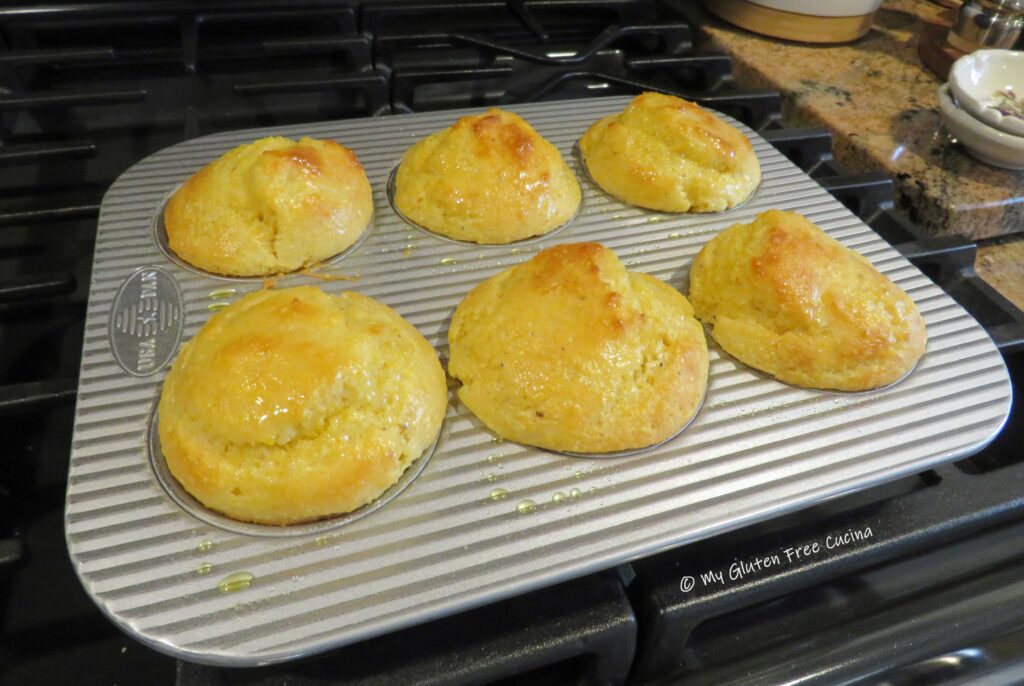 Muffins can be stored at room temperature for one day, and any leftover after that can be frozen.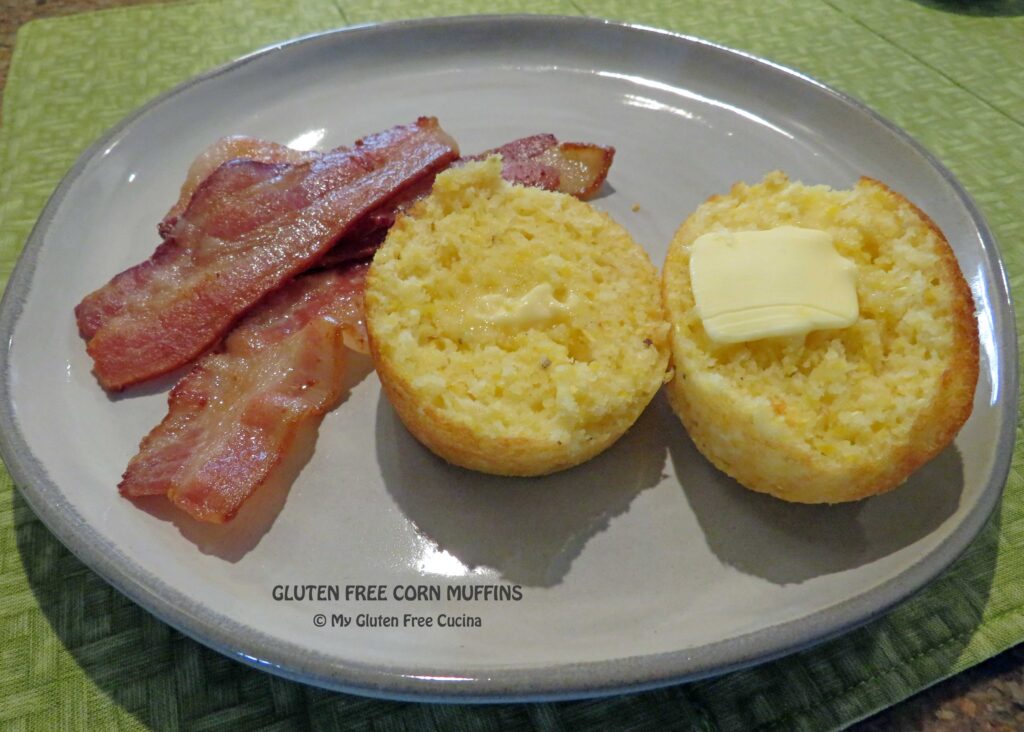

 Yes, they are gluten free!
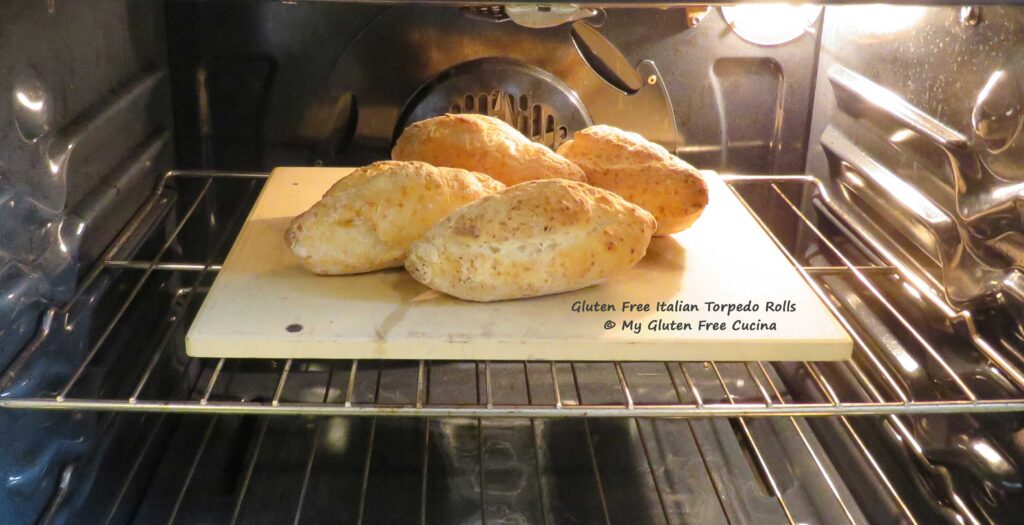 You are going to love this recipe!
 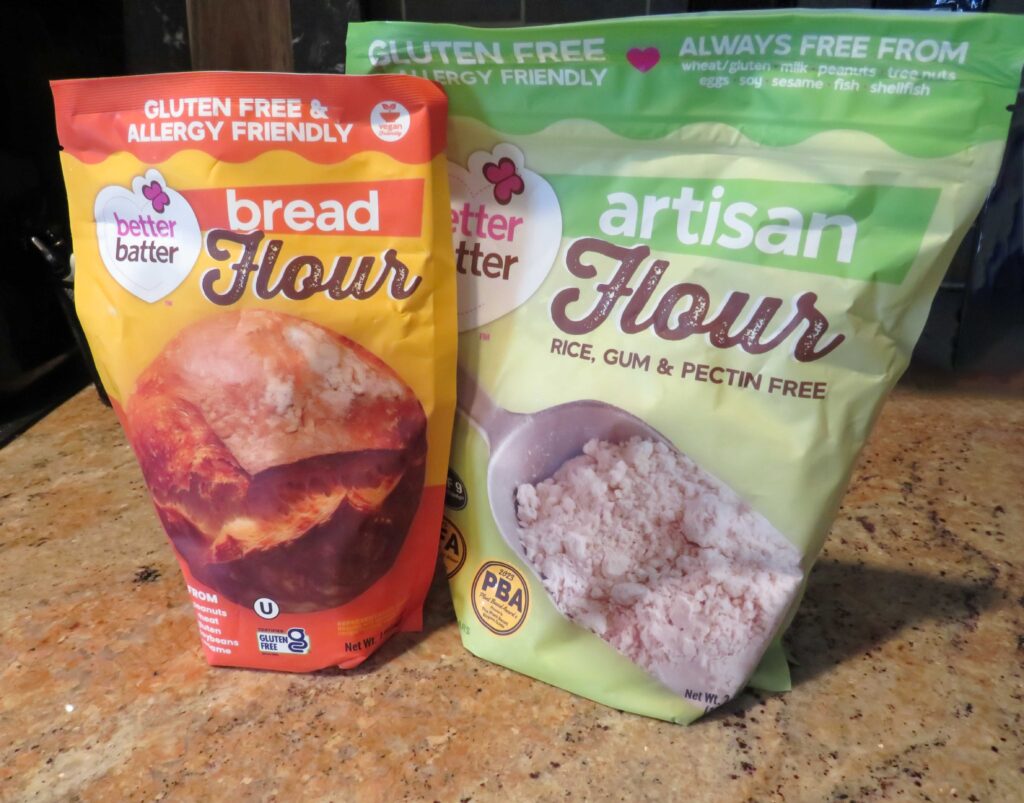 This recipe is another of my experiments with blending these 2 flours together. I really think I have hit on the perfect flavor and texture of Italian Bread that I was looking for. You can use all bread flour if preferred.
 Ingredients:
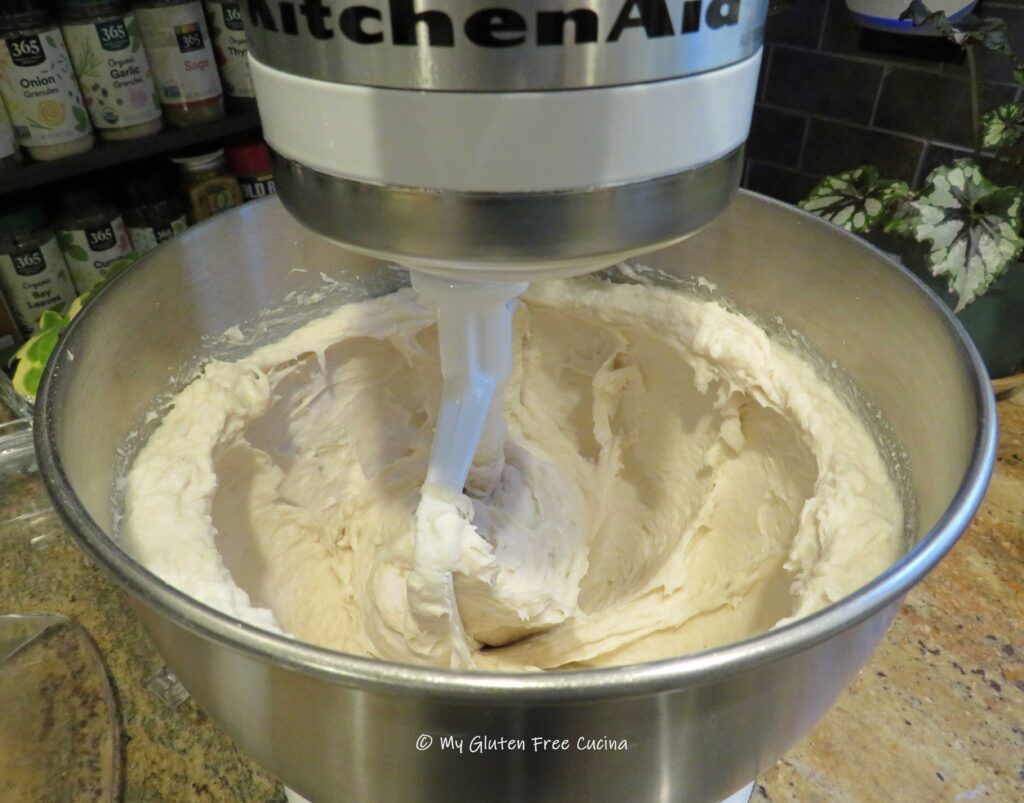 No stand mixer? You can combine everything in a large bowl with a
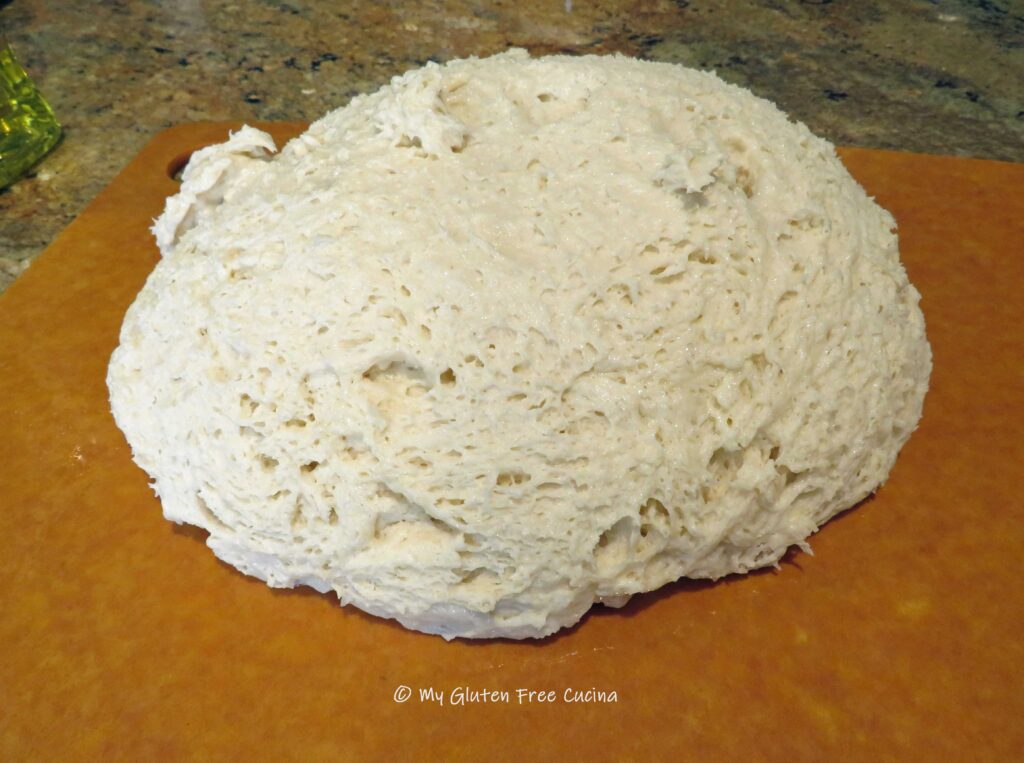
 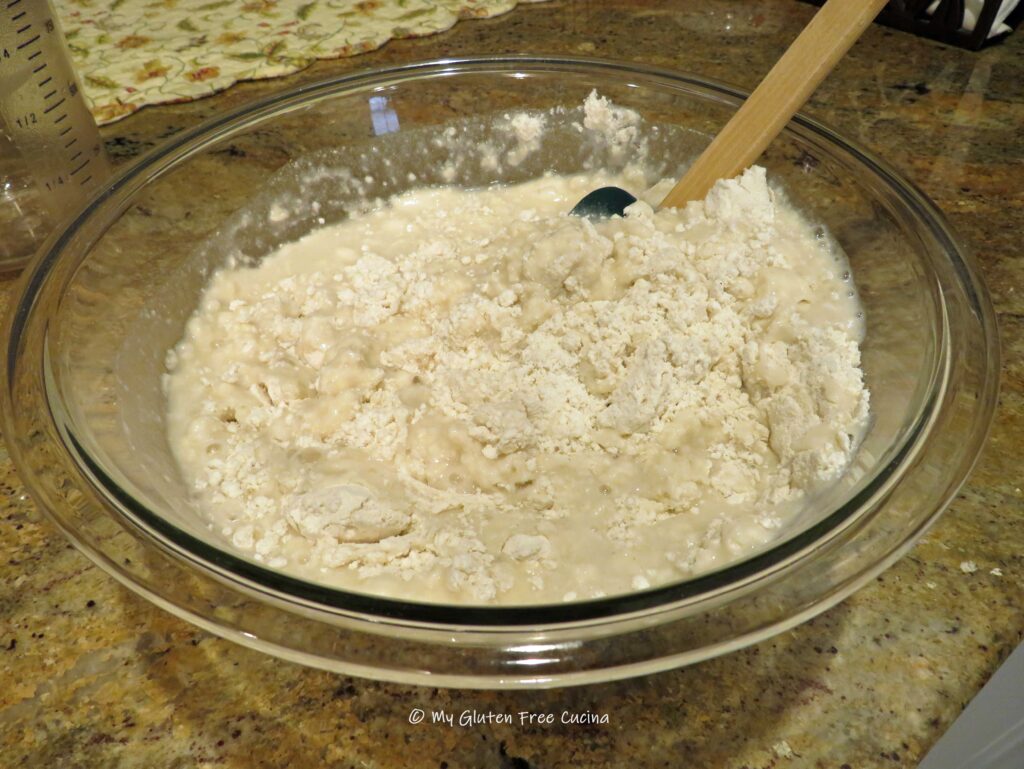 Now cover the bowl with plastic wrap and leave it on the counter (room temperature) overnight for 12-13 hours. I like to make my dough around 8pm, then shape the rolls while I’m having coffee the next morning, around 9am.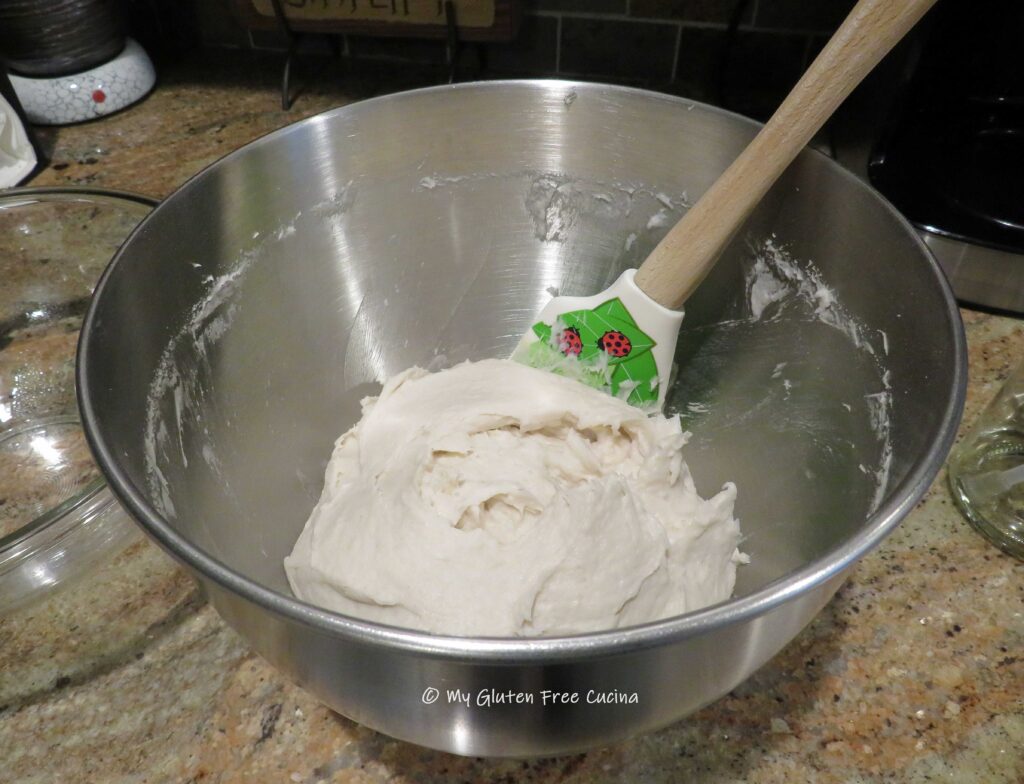
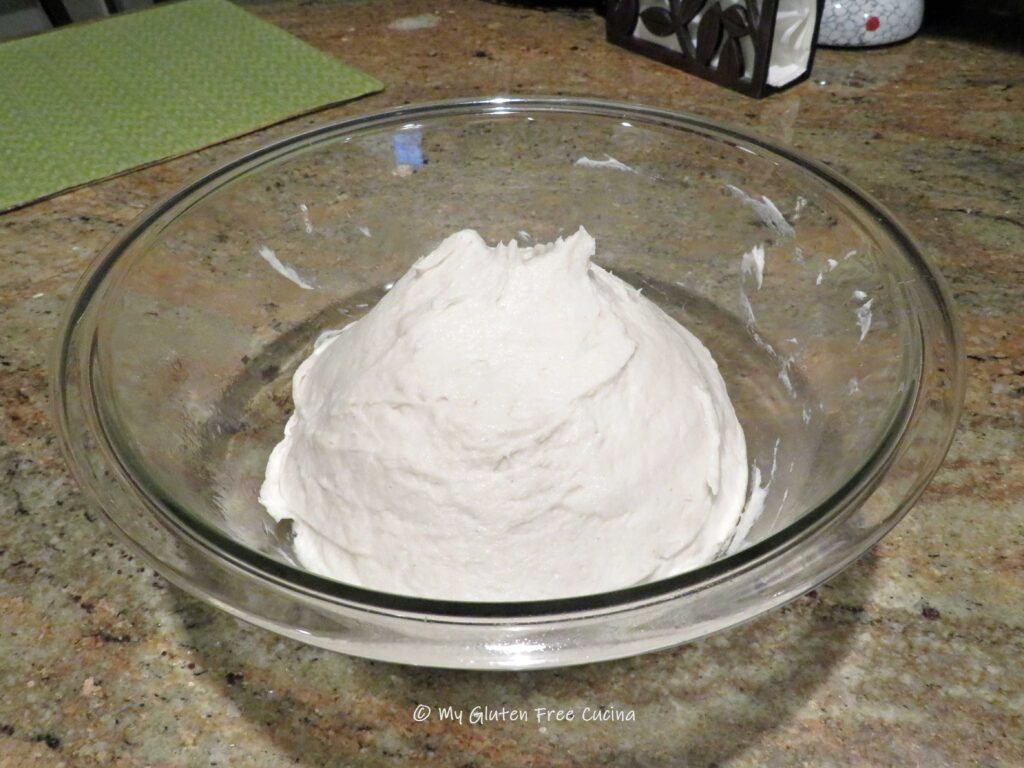 In the morning, preheat the oven to 475º with a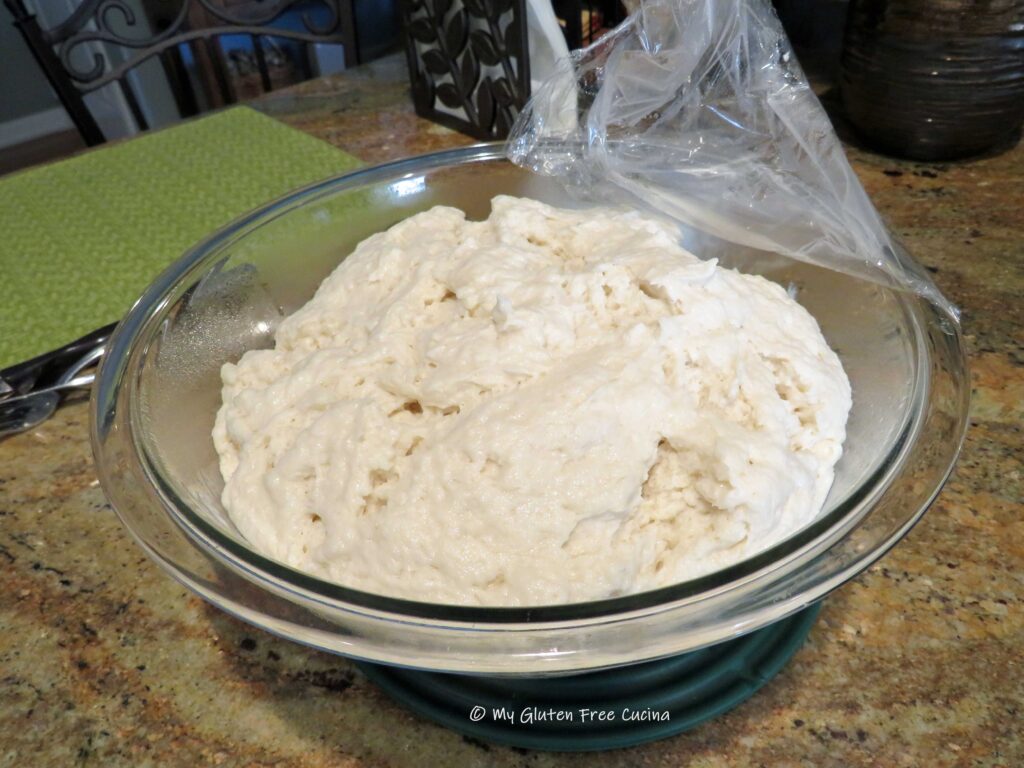
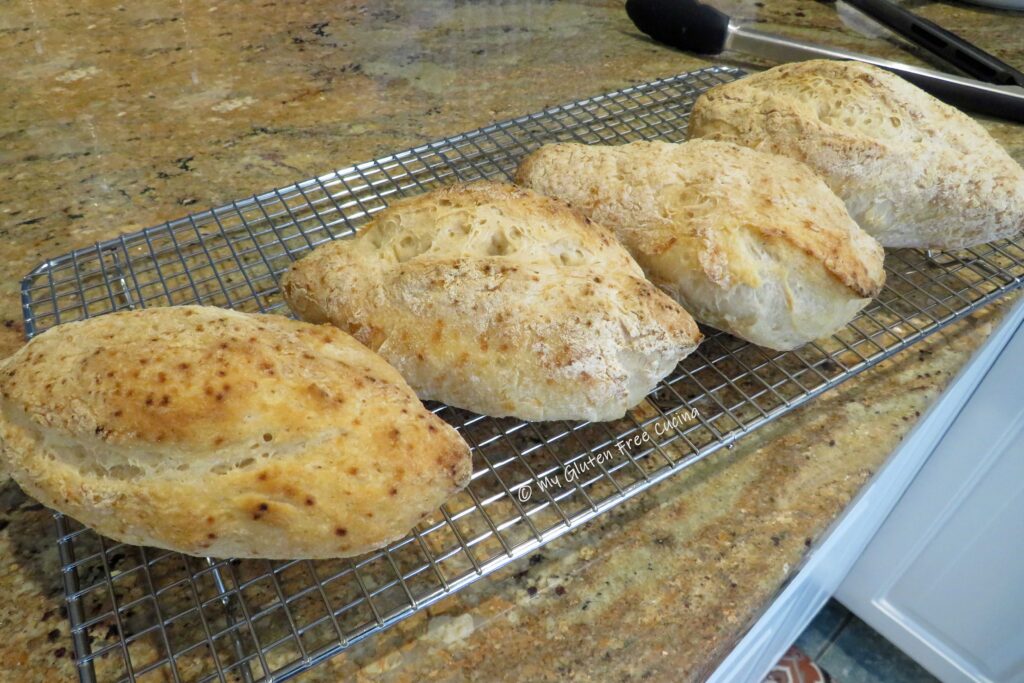
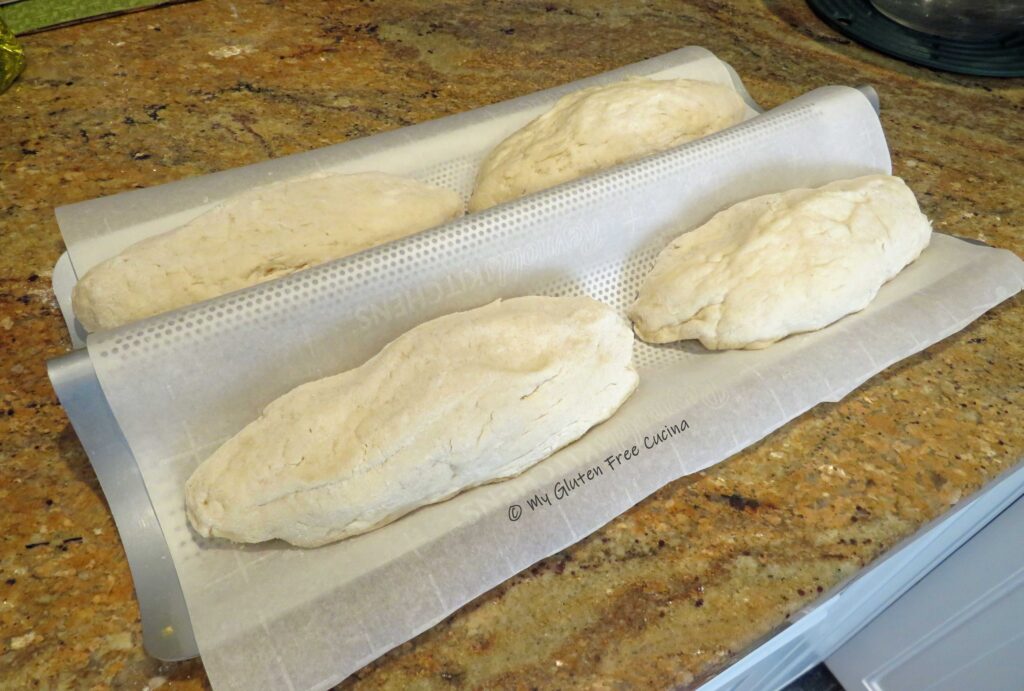
 Flour your work surface and gently roll each section into a torpedo shape (oval with tapered ends). Arrange them on a lightly floured baking sheet lined with parchment or use a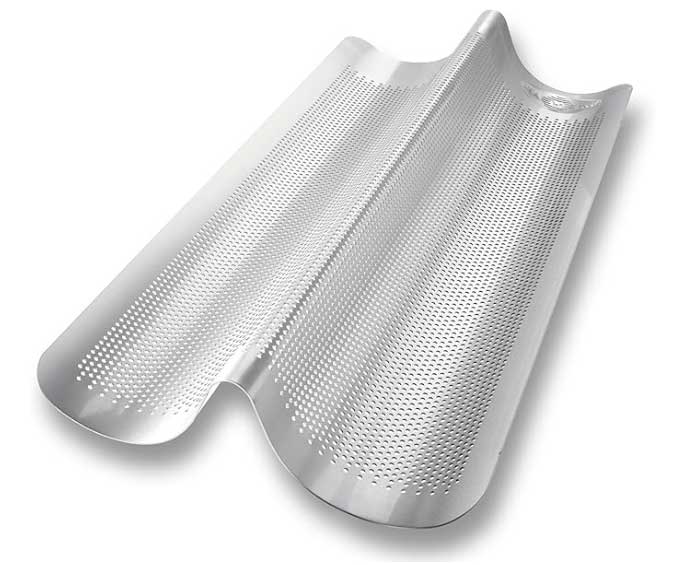
 Place in the oven and spray the rolls and sides of the oven with water to create steam. Bake for 35 minutes at 475º, then remove from the pan and bake directly on the stone during the last 10 minutes.
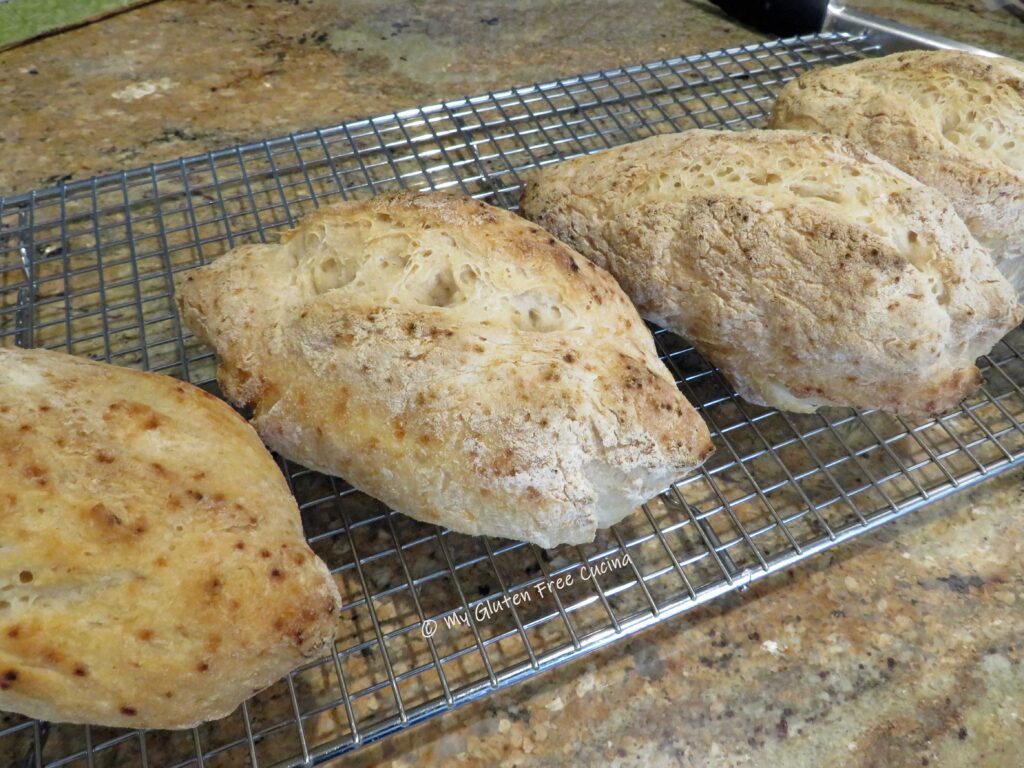
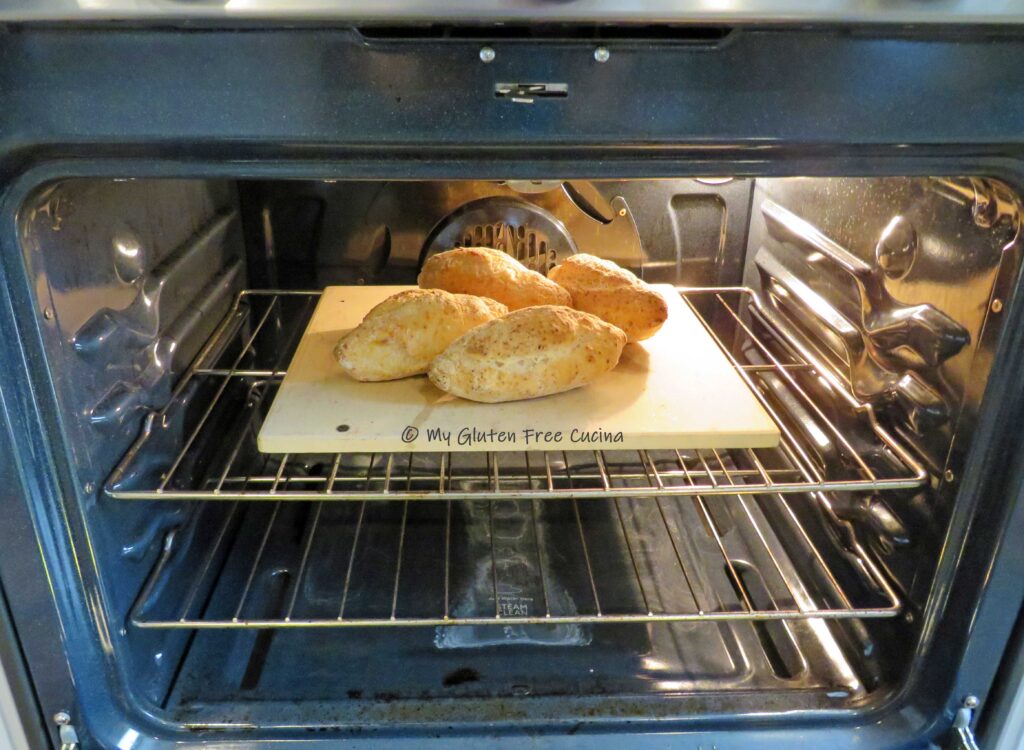 Rolls are done baking when the internal temperature reaches 210º. The crust should be firm and dry, and you will get that hollow sound when you give the rolls a sharp tap. Remove from the oven and place on a rack to cool.
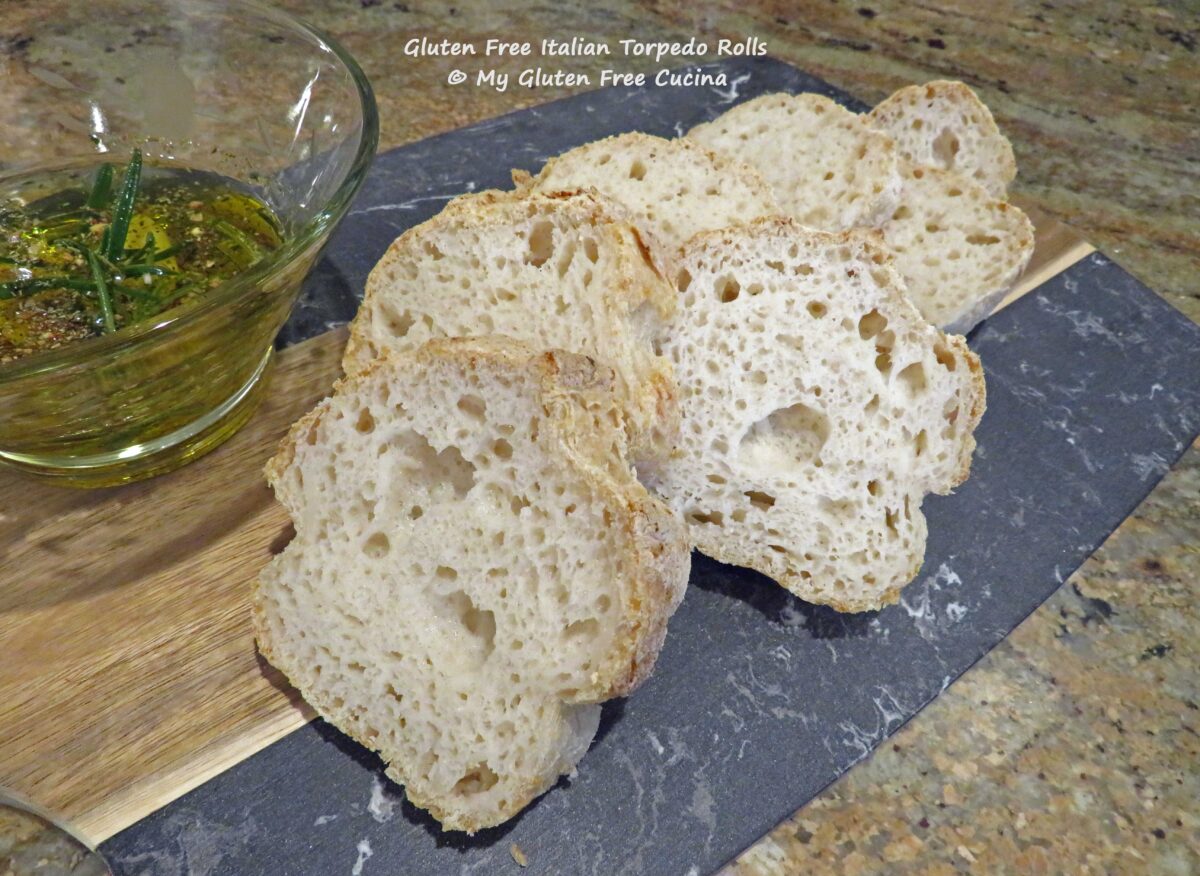
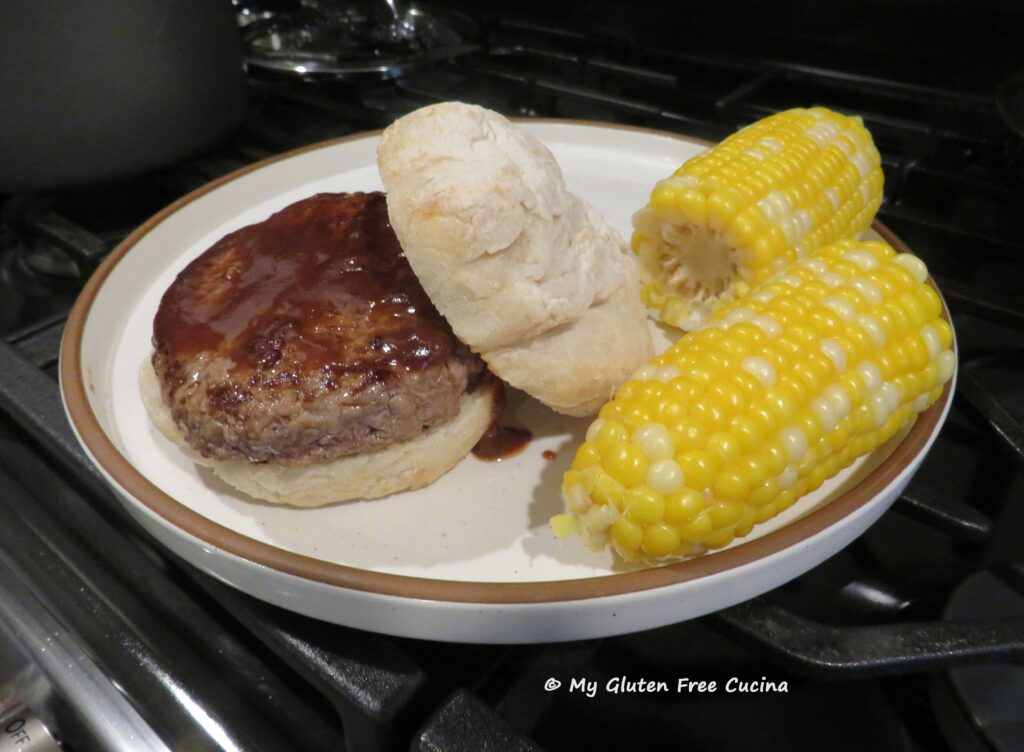
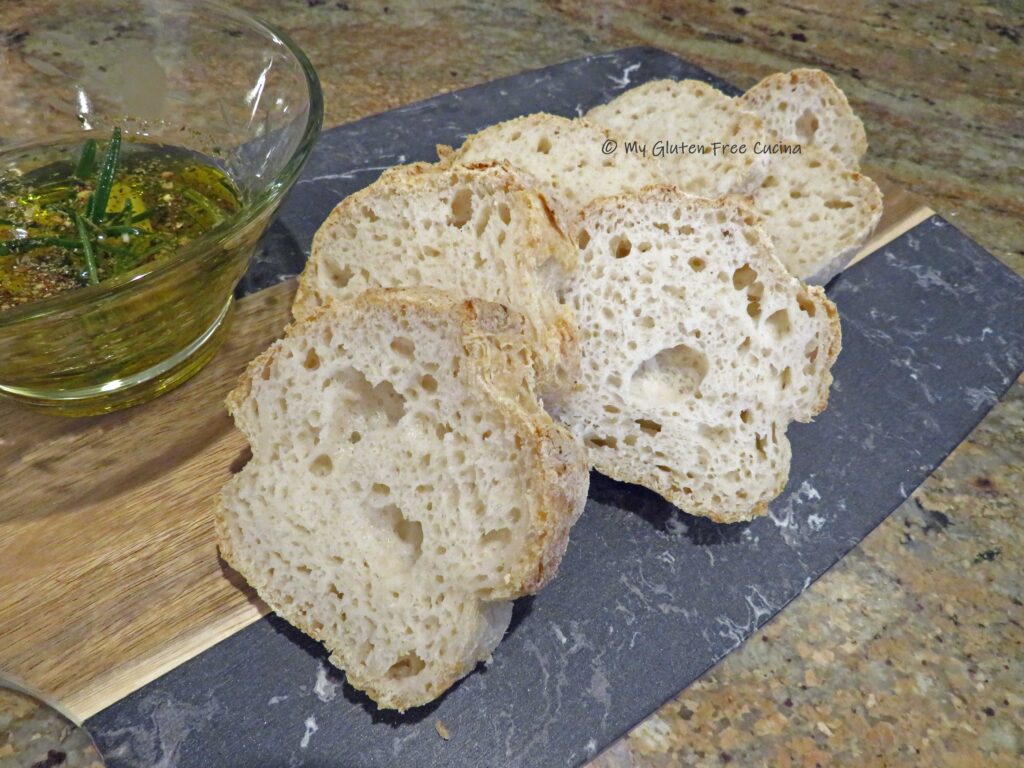 What would you do with a homemade, hot out of the oven Italian roll like this? Dip it in olive oil, or slather with garlic butter and toast it? Slice it thin for bruschetta? Maybe load it up with veggies, cold cuts and cheese to make a panino (a/k/a sub, hoagie)! And for big appetites, you can serve them as dinner rolls (mop up that sauce!) or sandwich rolls.
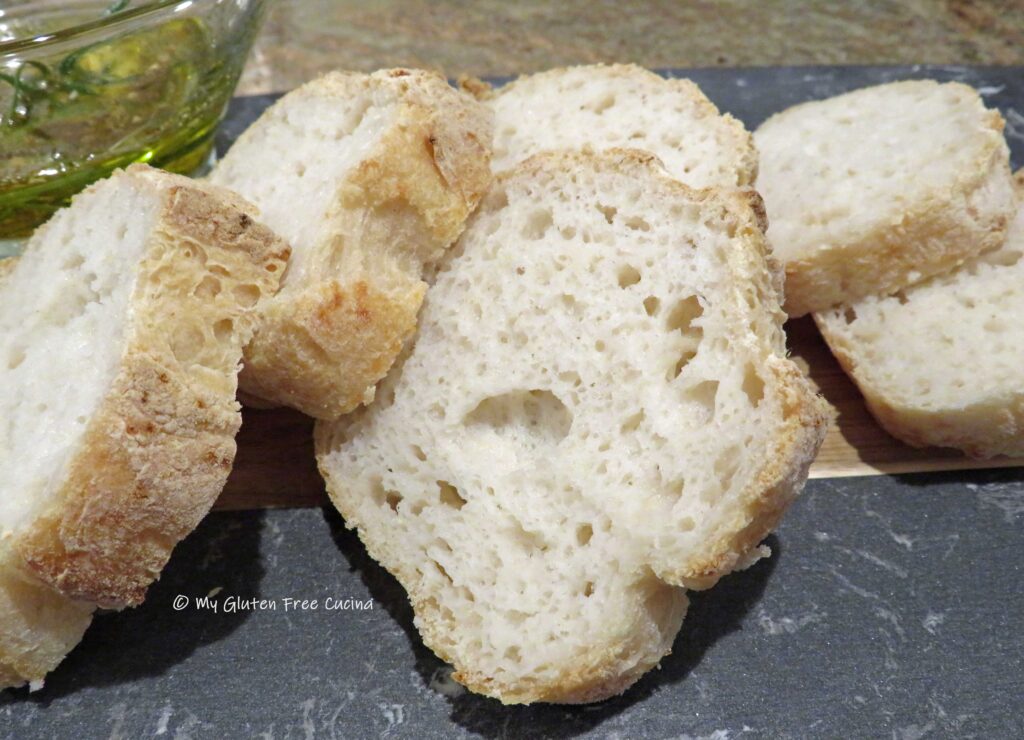 However you choose to enjoy them, these rolls are delicious!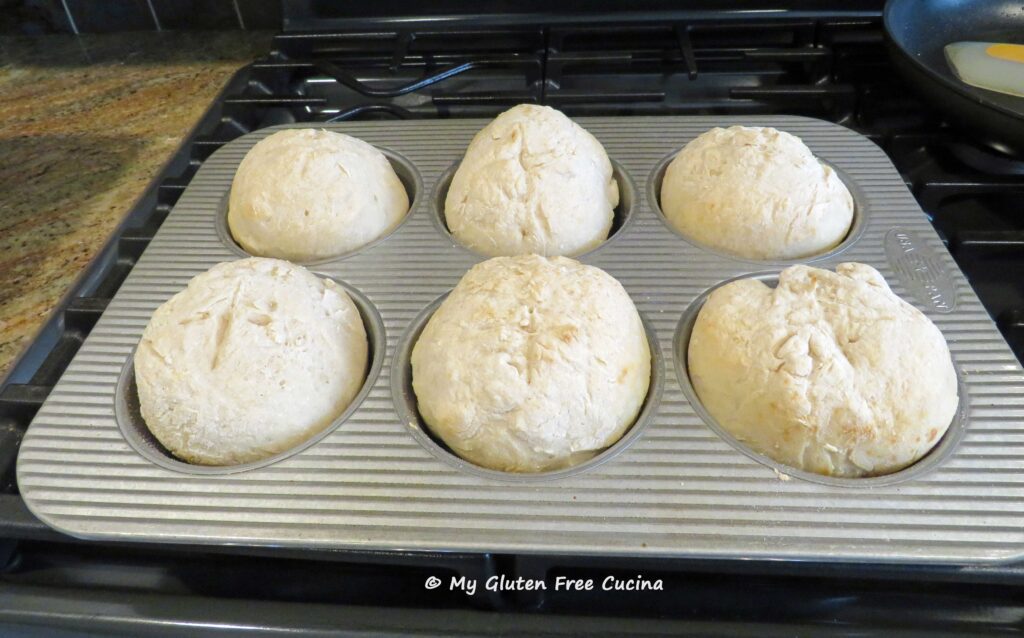
 Ingredients: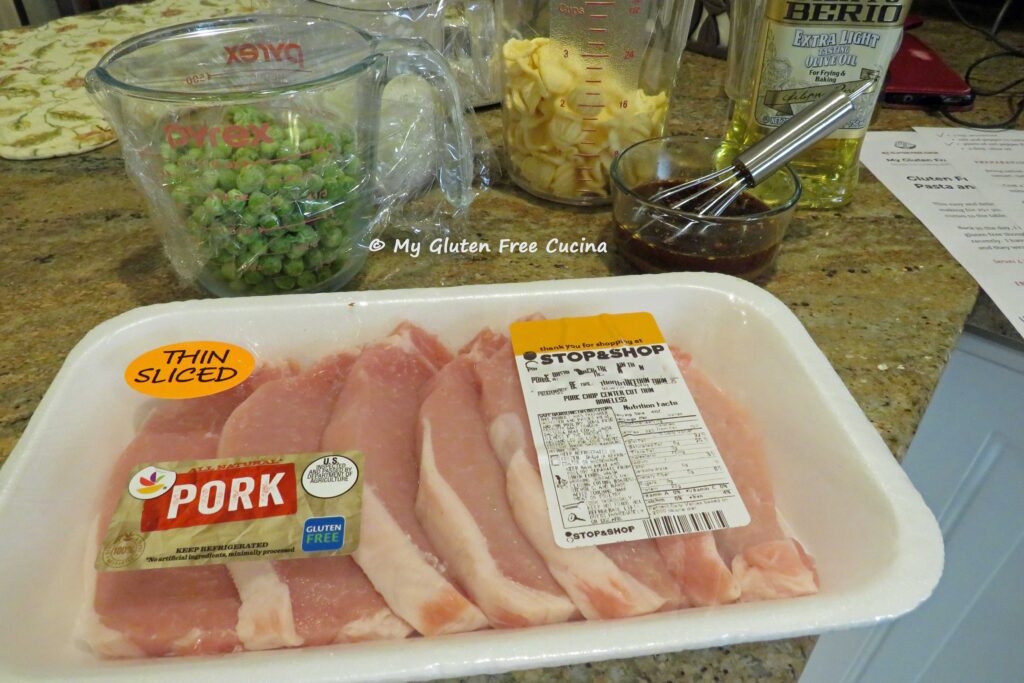
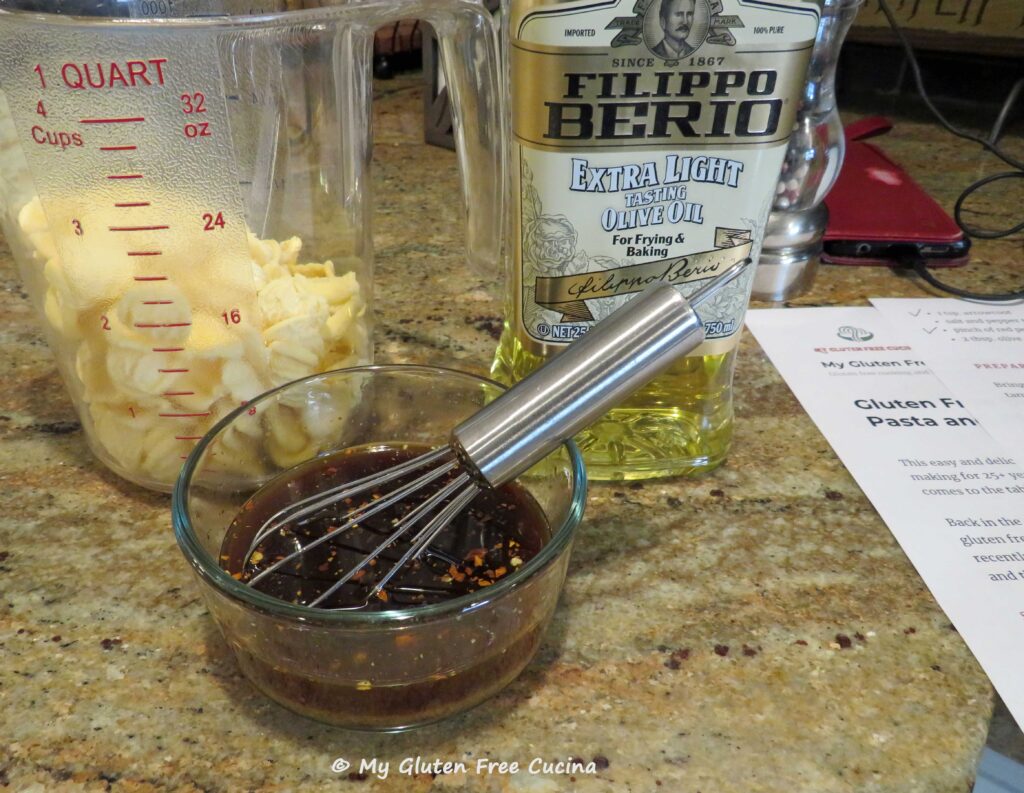
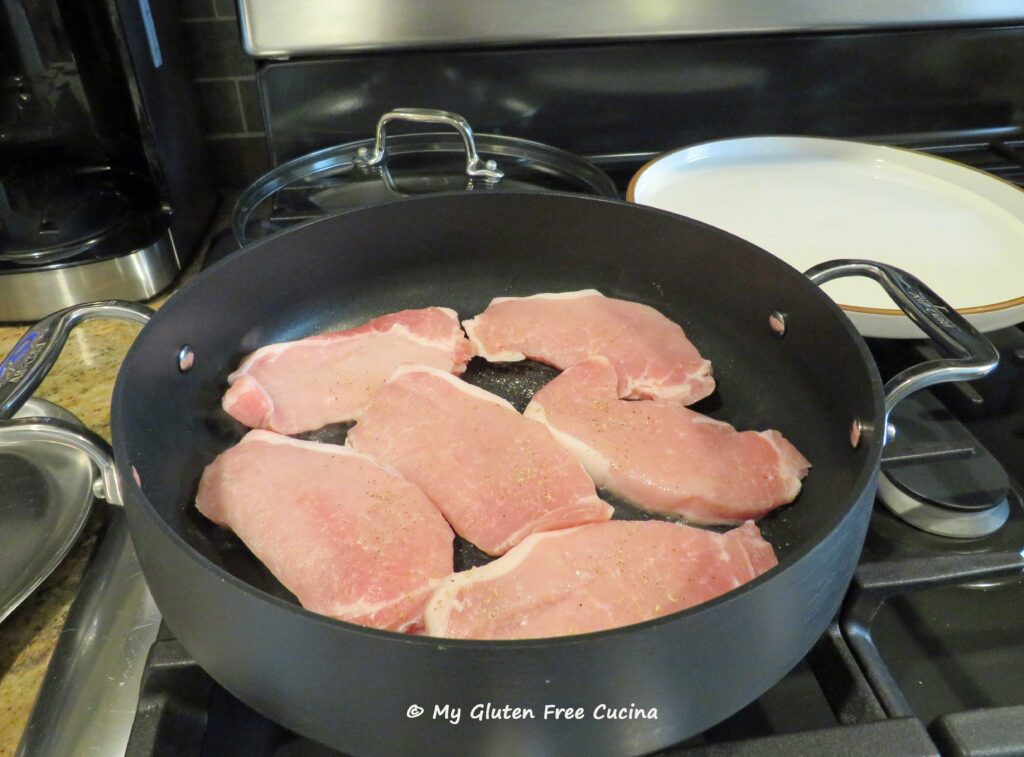
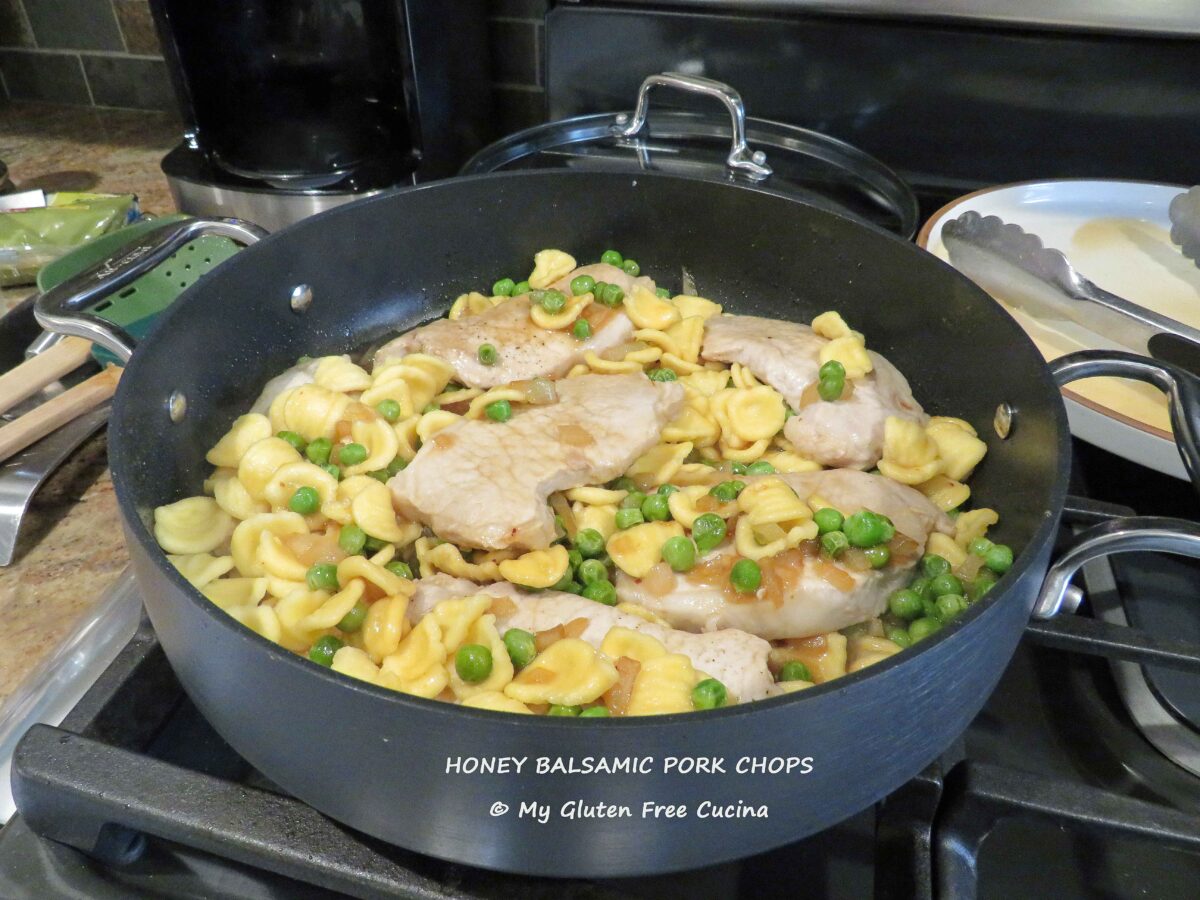
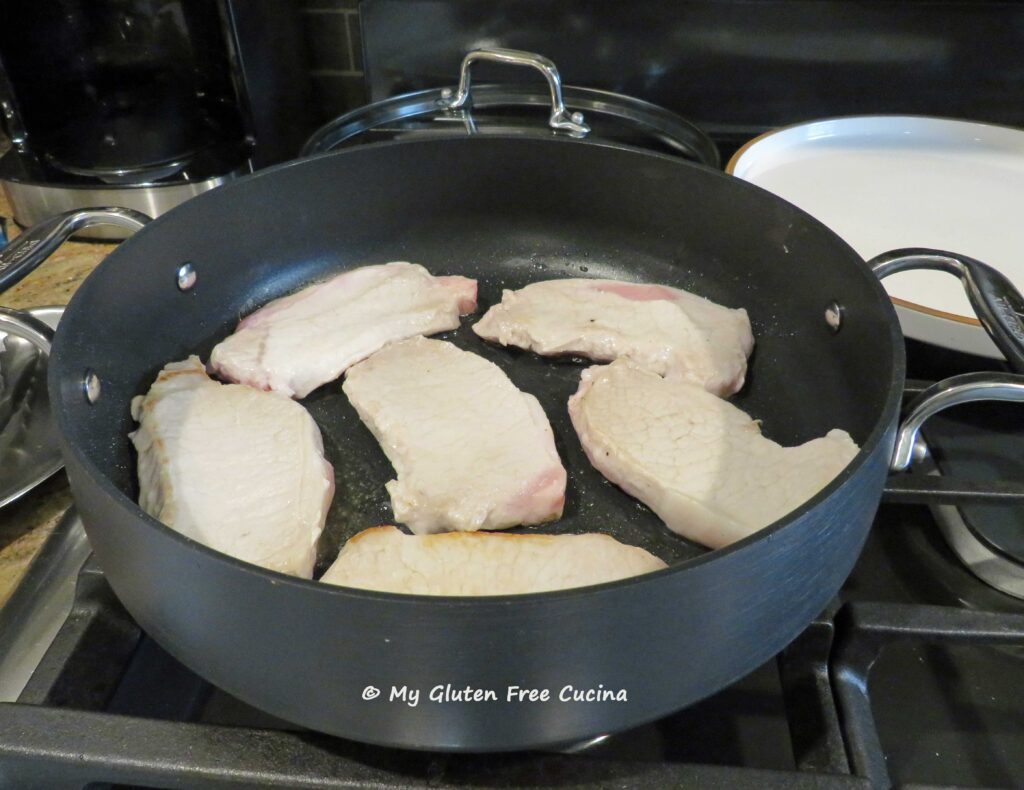 Add the onions to the skillet with an additional tbsp. olive oil. When the onions are translucent, add 2 tbsp. of the balsamic mixture. Cook, stirring frequently until most of the liquid has evaporated.
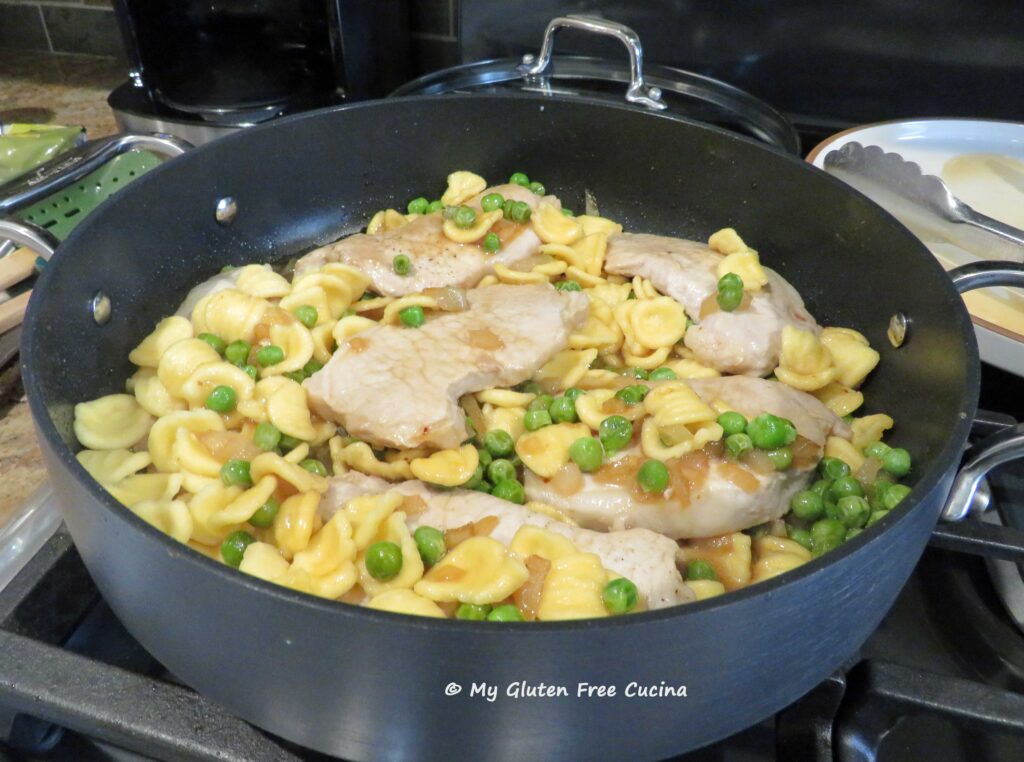
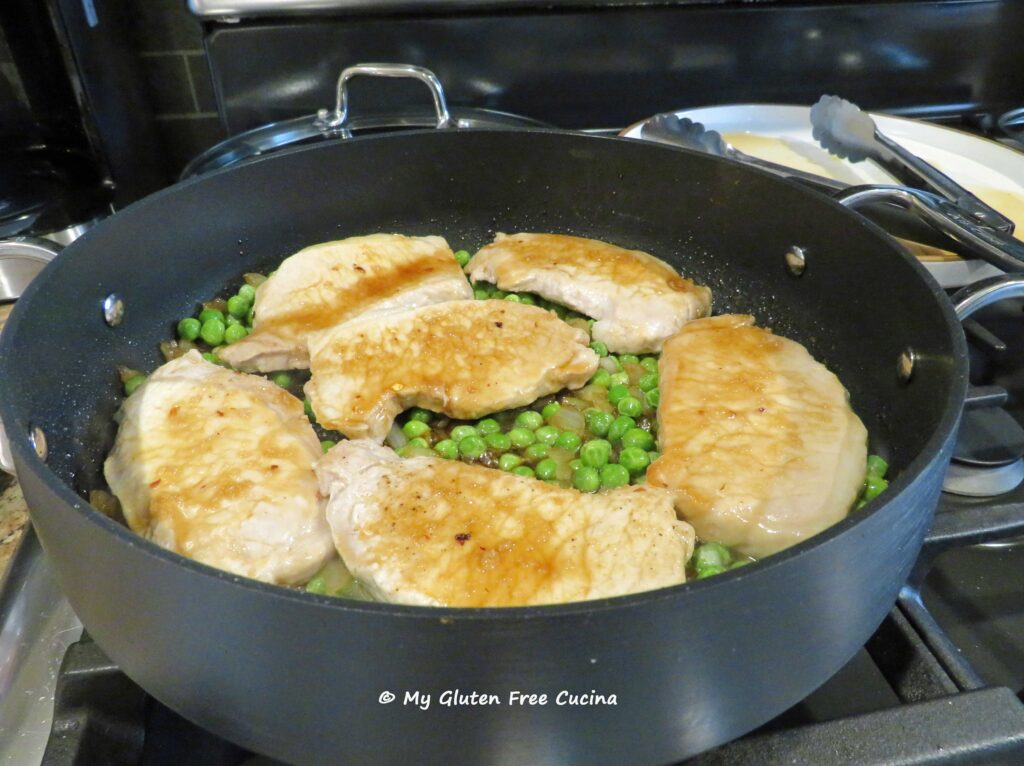
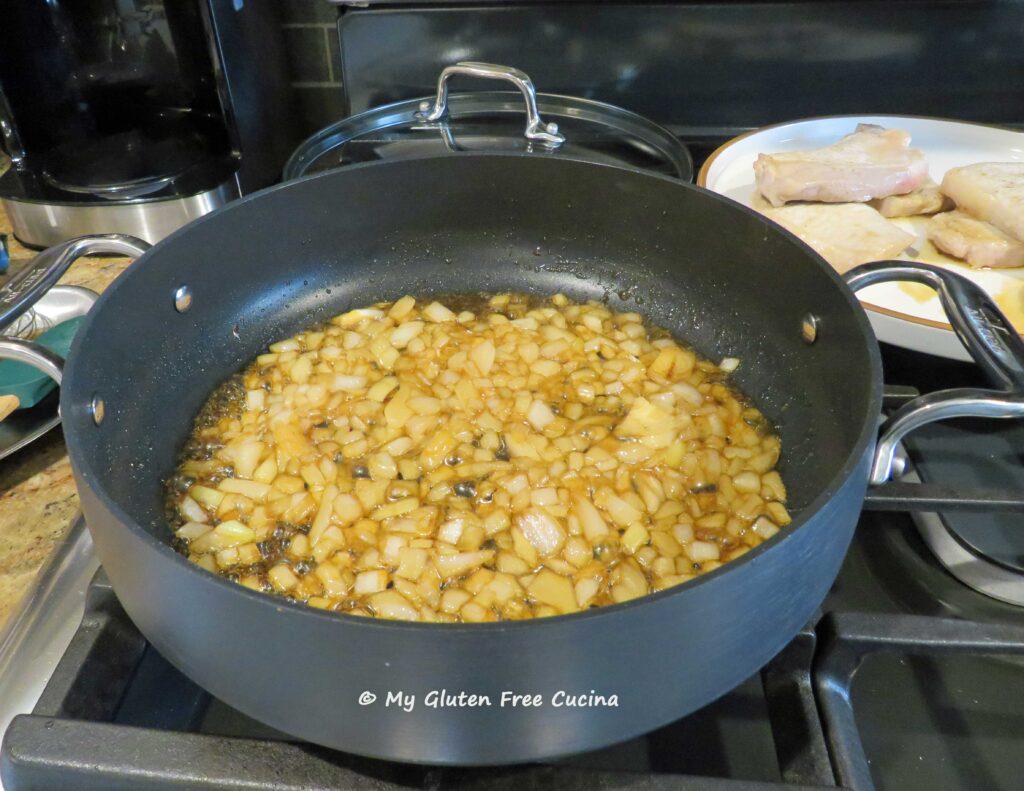 Return the pork chops to the skillet with the peas and drizzle with the remaining balsamic mixture. Continue to cook for several more minutes, until the pork chops are heated through.
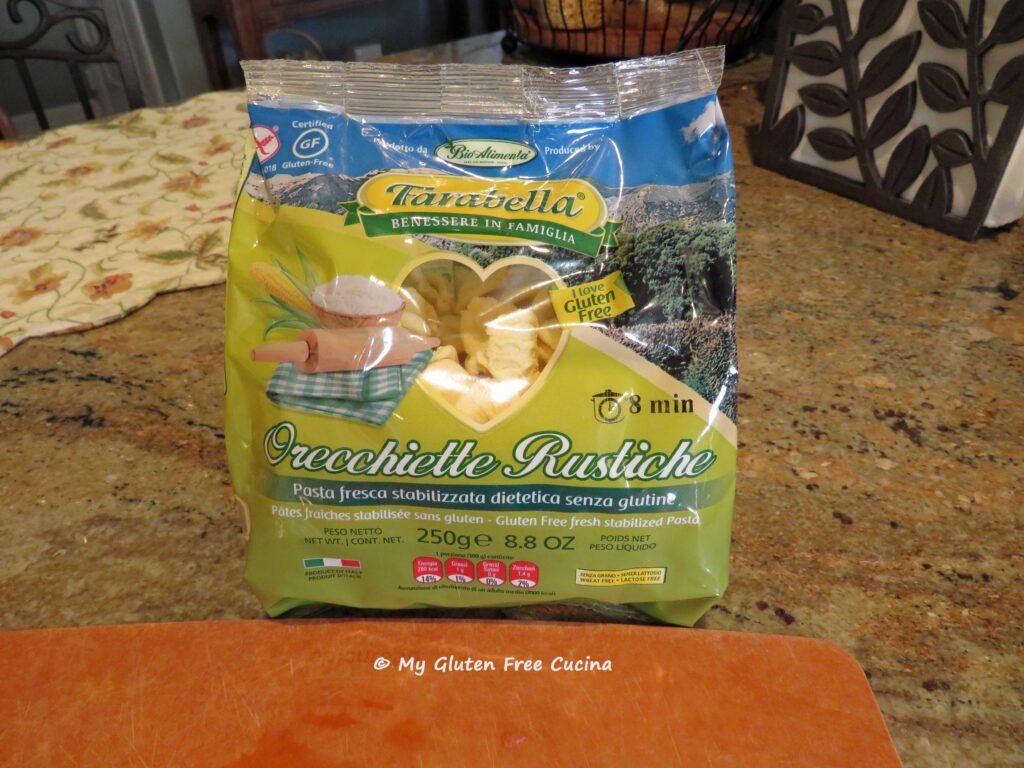
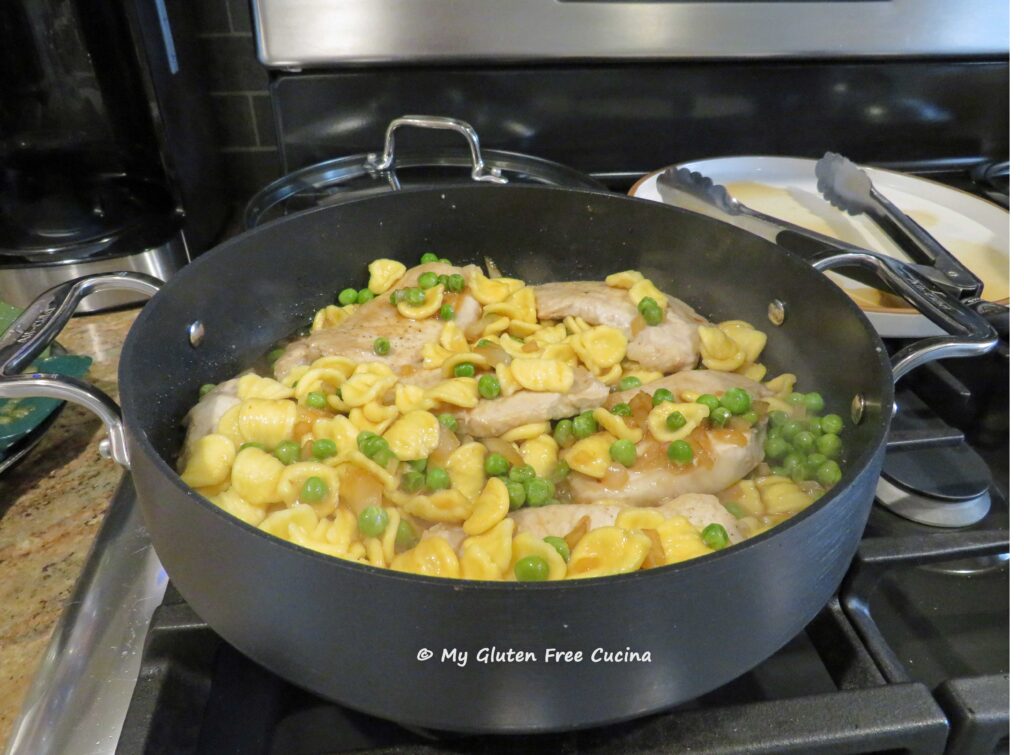
 Drain the pasta, add to the skillet and toss to coat. Remove from heat and serve right in the pan for a casual dinner.
 Notes ♪♫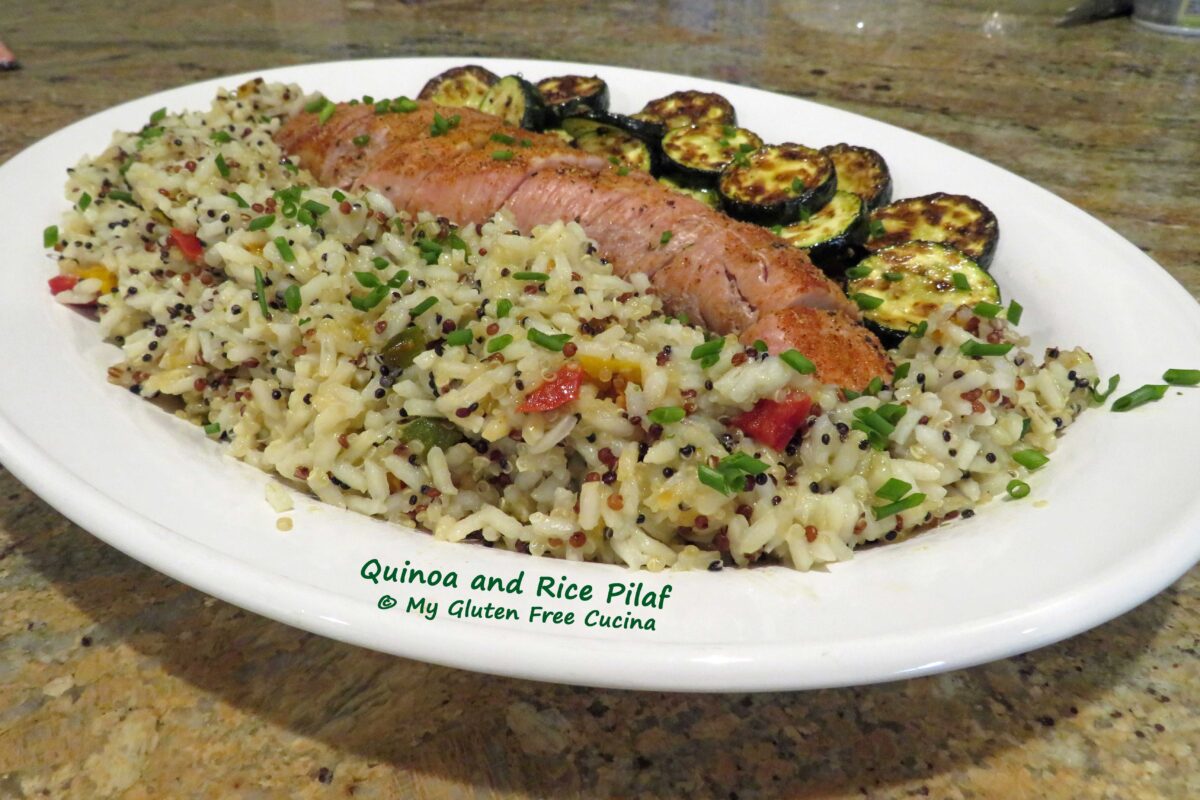




 Preparation:
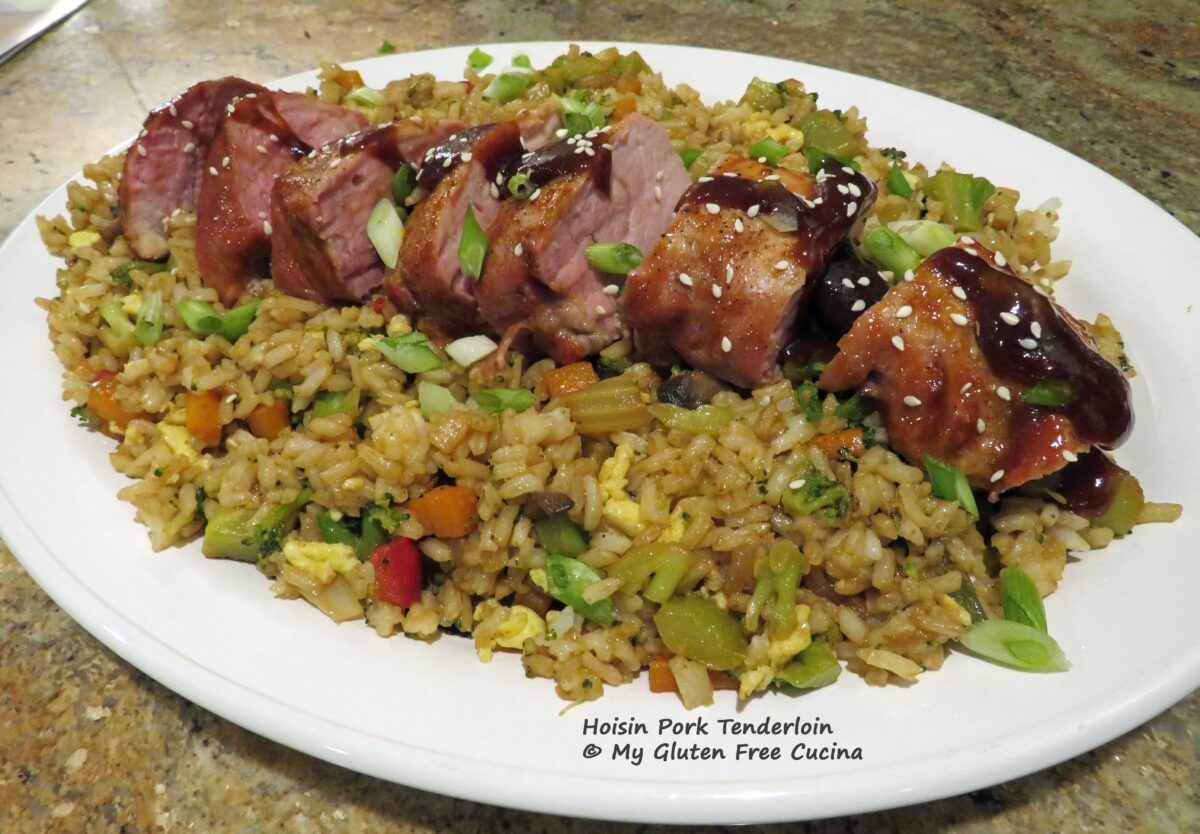
 I did think the veggies were a bit large for fried rice, so I cut them into smaller pieces. Season the veggies with salt and pepper to taste. Sprinkle with garlic and ginger powder and leave them out to defrost.